

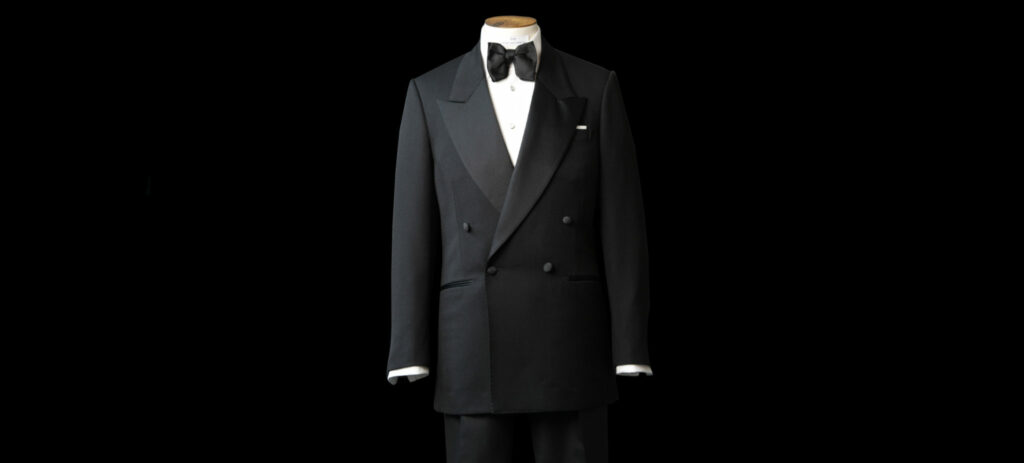
The dinner jacket, better known in the United States as the tuxedo, is the culmination of what happens when tradition loosens its stiff collar a little and realises it can still look magnificent.
A Rebellion Against Tails
In the mid-19th century, formal evening wear meant white tie: black tailcoat, stiff white waistcoat, starched shirtfront, and an air of mild suffering. It was correct. It was grand. It was also… a lot. Enter the dinner jacket.
In the 1860s, the Prince of Wales — later Edward VII — commissioned a shorter, tailless evening coat from London tailor Henry Poole. The goal was simple: something formal enough for dinner at Sandringham House, but less rigid than full white tie.
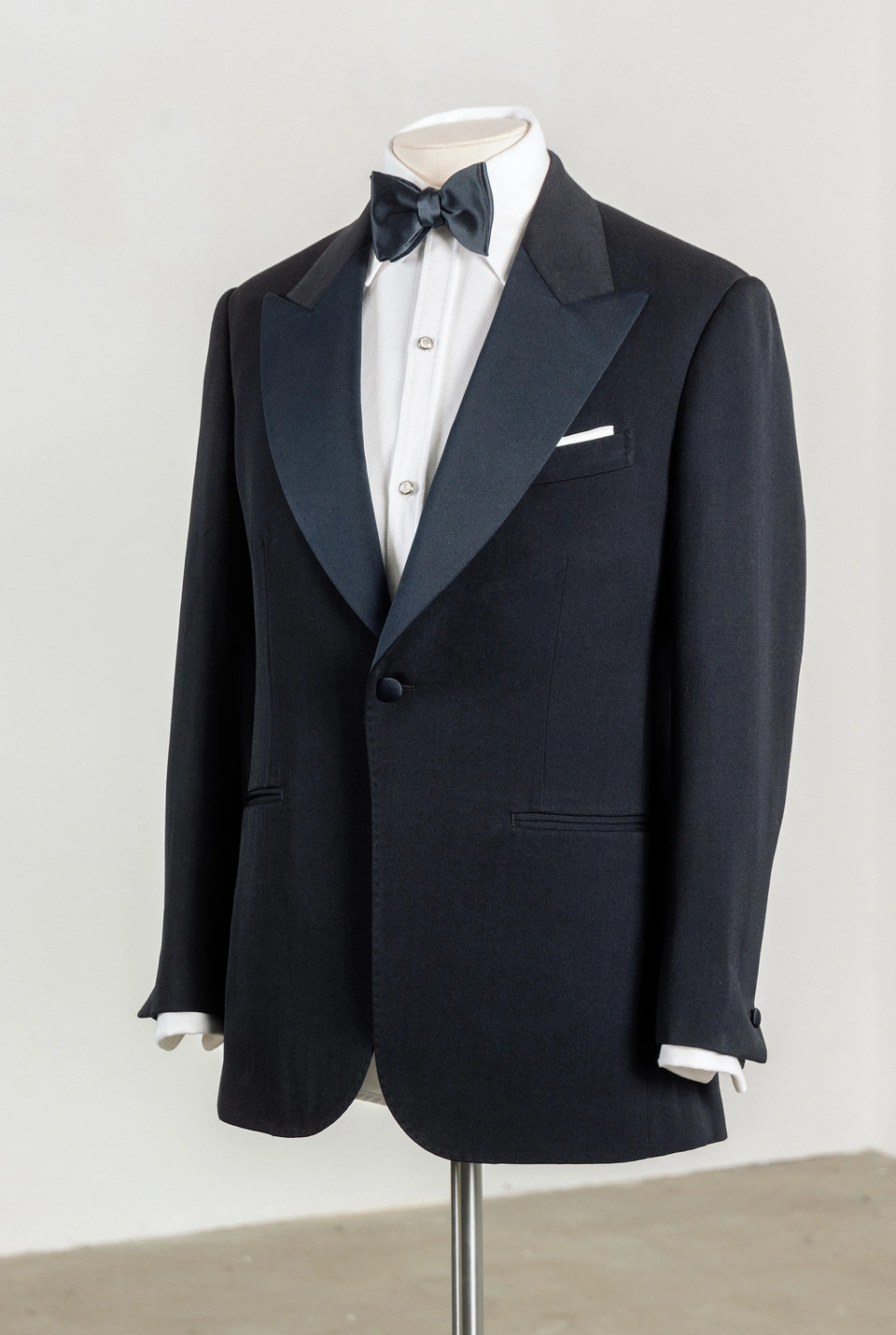
The result was a sleek black jacket with satin-faced lapels. No tails. No dramatic sweep behind the knees. Just clean lines and quiet authority.
Meanwhile, across the Atlantic, wealthy Americans visiting England brought the style back home. It found fertile ground at the ultra-exclusive Tuxedo Club in Tuxedo Park, New York. The jacket became known locally as the “tuxedo,” and the name stuck.
How The Dinner Jacket Has Endured
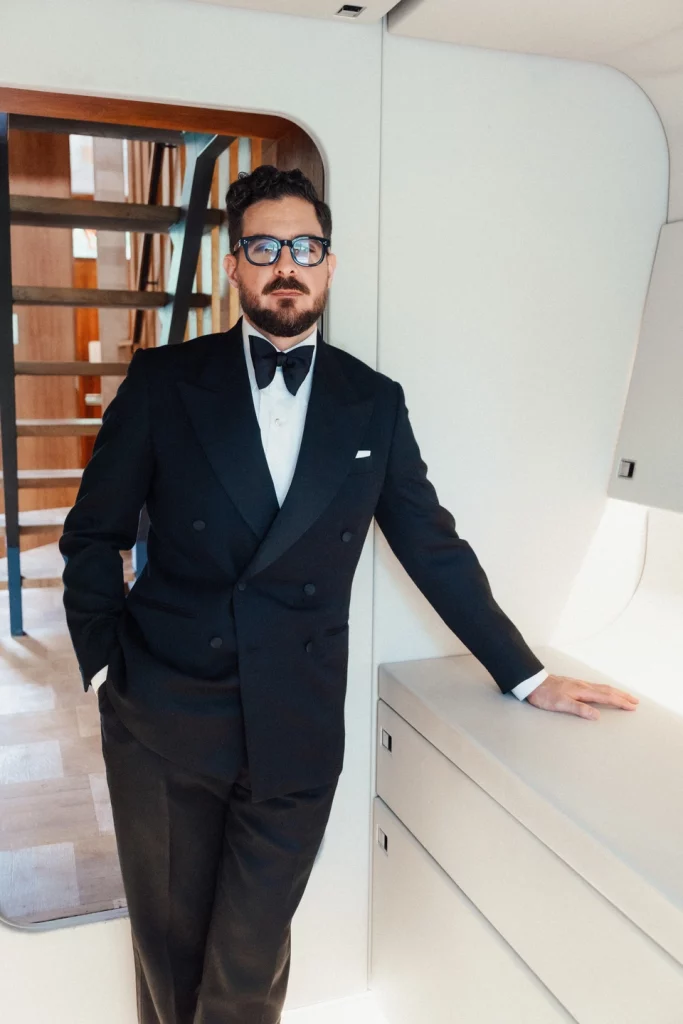
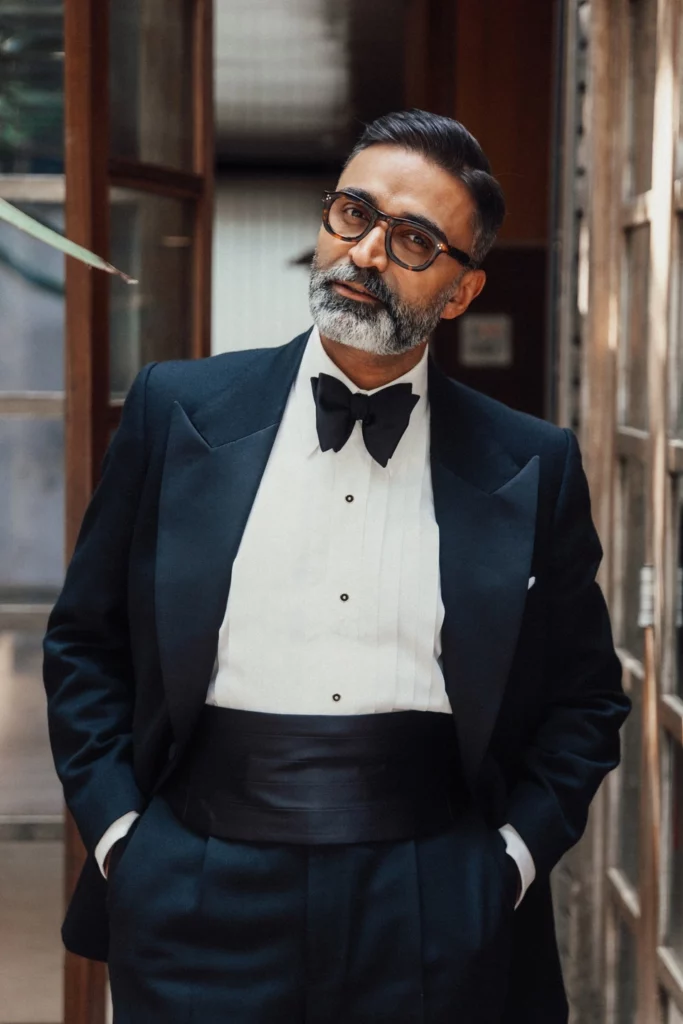

The brilliance of the dinner jacket is not that it rejected formality. It actually refined it.
The satin lapels, in either shawl or peak, catch candlelight in a way that feels intentional. The black bow tie maintains symmetry and proportion. The minimal colour palette enforces discipline. It is simple, classy and refined while toeing the line under the previous rigid rules of black tie.
In the 20th century, Hollywood sealed its fate as the epitome of elegance. Actors wore it on screen and off, turning it into shorthand for charm and power. Think James Bond stepping out of a casino in a perfectly cut tuxedo. The dinner jacket became cinematic armour.
From Aristocratic Novelty to Modern Essential
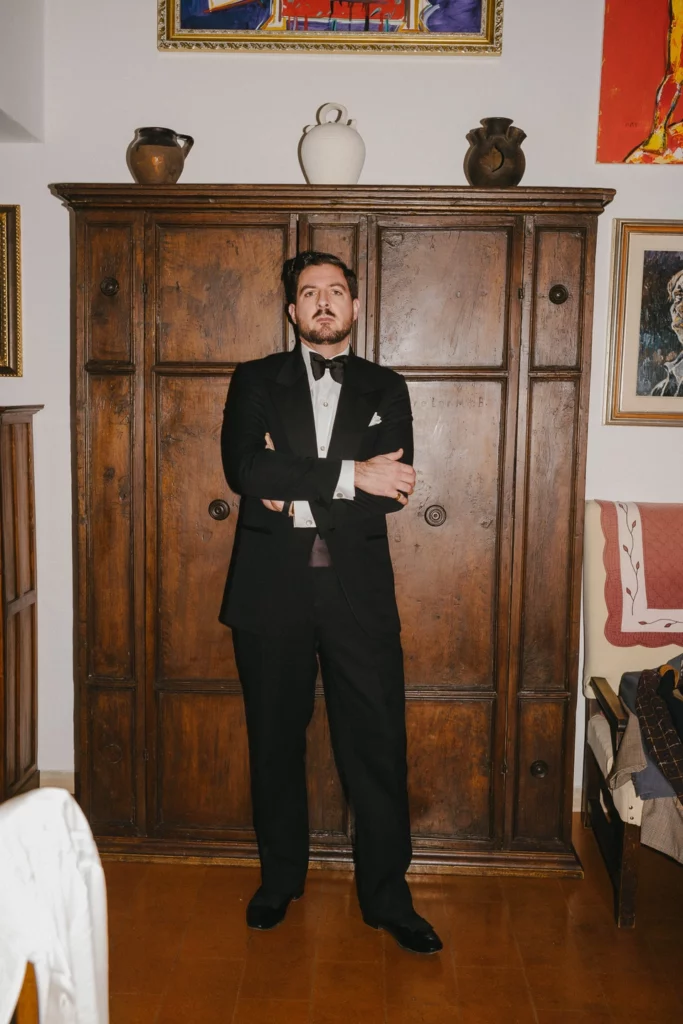
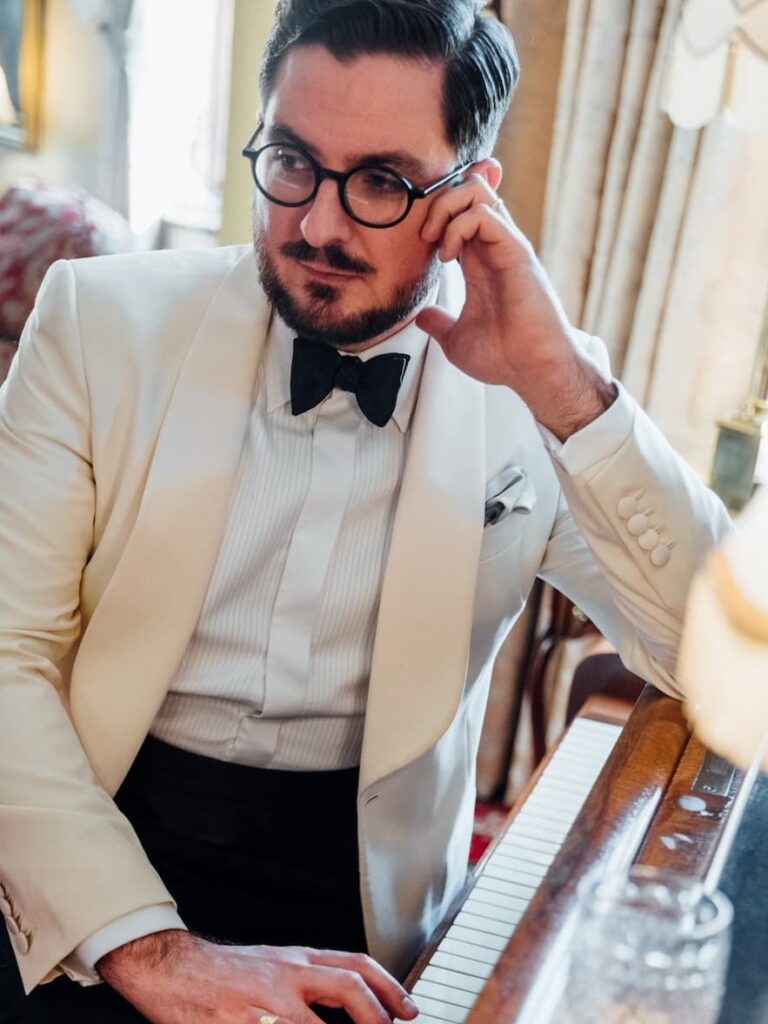
Over time, variations appeared: midnight blue (which actually looks richer than black under artificial light), ivory dinner jackets for warm climates, velvet for festive occasions. The core principles remained intact — sharp tailoring, satin contrast, bow tie precision.
What began as a practical adjustment to white tie became the global standard for black tie dress codes.
Today, when an invitation reads “black tie,” it is an invitation into that lineage. You are not just putting on a jacket. You are participating in a 150-year conversation about elegance.
Why This Matters for Modern Style
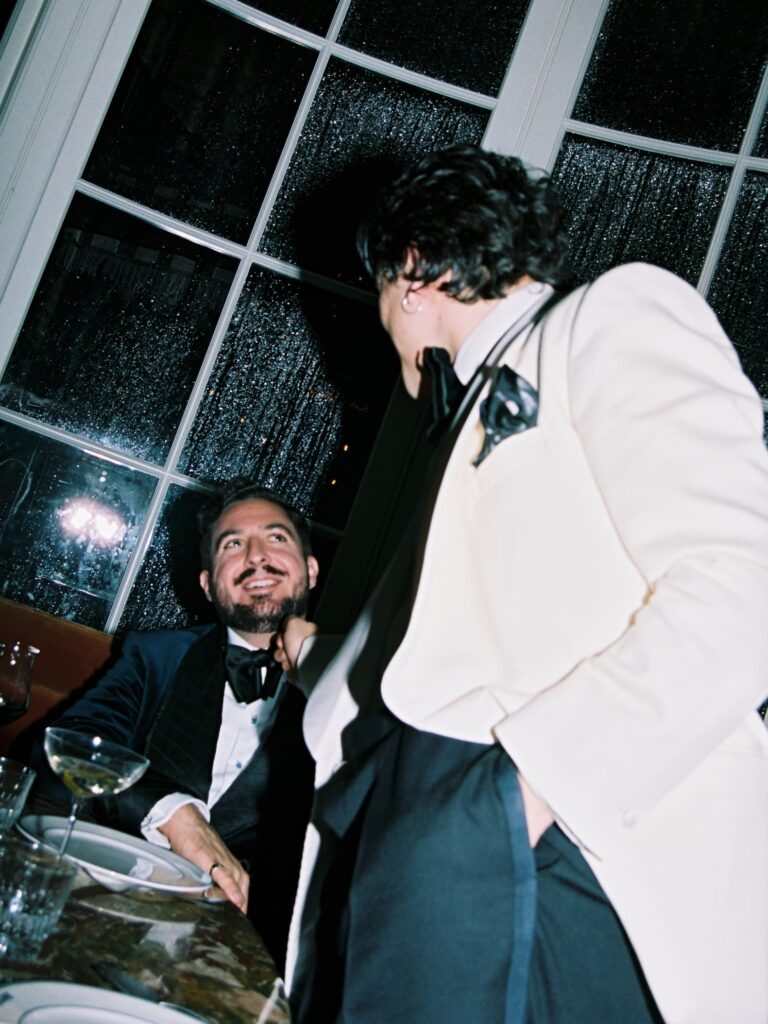
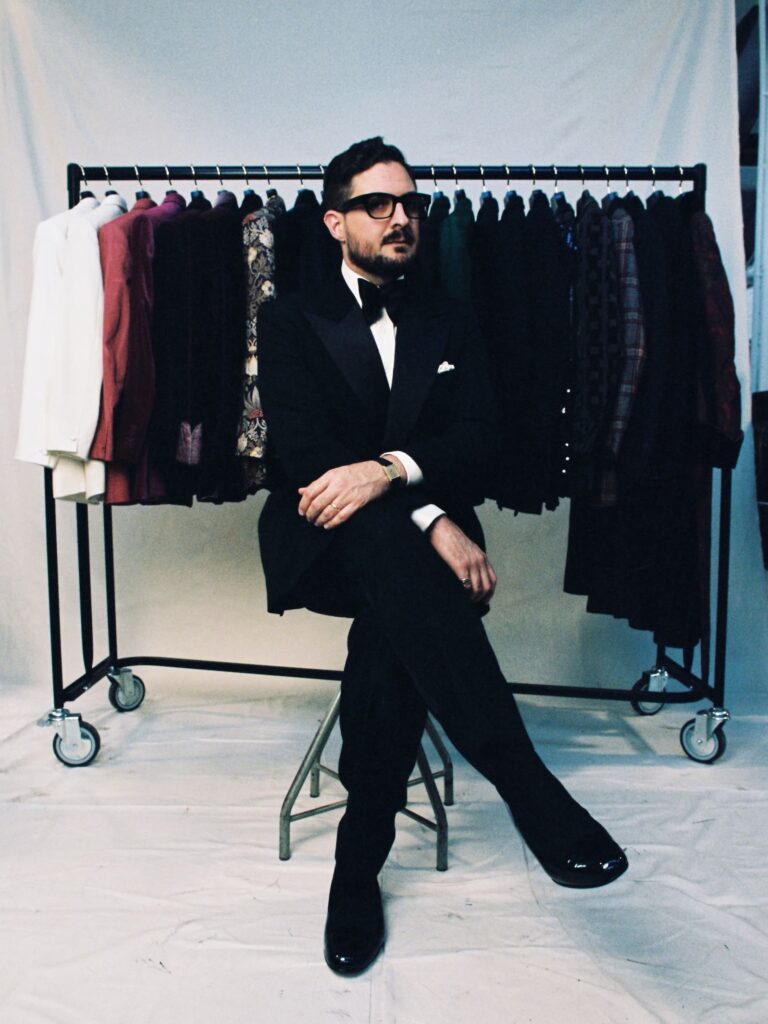
Understanding the history of the dinner jacket makes wearing one feel intentional. It was born from innovation within tradition, a reminder that style evolves not by abandoning rules, but by refining them.
For a brand like la Bowtique, that matters. The bow tie isn’t an accessory afterthought. It’s a structural element of the entire look — a descendant of that original decision to simplify, sharpen, and modernise formalwear.
The dinner jacket represents a perfect balance: relaxed but disciplined, understated but powerful. It proves that when design trims away excess, what remains can be timeless.
And that’s the real lesson stitched into every lapel.
If you’d like, we can optimise this further with strategic headings, meta description language, and internal linking structure so it performs beautifully as both a newsletter and a search-friendly blog post — elegance and algorithm, working together.